Find Out the Five Love Languages With an Online Test
Why Decoding Your Child's Unique Way of Giving Love Matters
Parents sense it intuitively: every child seeks connection in a distinct, almost signature way. Some little ones beam after a hug, others glow when you praise a tricky drawing, and a few light up when you sit on the floor to build a fort together. Learning to recognize these patterns isn’t a trend; it’s a durable parenting skill that smooths daily routines, strengthens bonds, and supports emotional growth. The goal is not to label a child but to tune into behaviors that reveal how affection lands best and what kinds of attention feel most nourishing.
Caregivers often notice that love languages kids becomes more visible during transitions like bedtime, school drop‑off, or after a playdate, because stress and novelty magnify a child’s bids for belonging. When you respond in a style that resonates, conflicts soften faster and cooperation rises, not because you became more commanding but because your child feels deeply seen. This alignment also fuels self‑regulation; children who feel securely connected find it easier to tolerate frustration, try again, and recover from disappointments. Over time, that sense of “my grown‑ups get me” becomes a buffer that protects mental health and encourages curiosity, grit, and empathy.
- Faster repairs after meltdowns and misunderstandings
- More playful, reciprocal communication throughout the day
- Greater confidence and independence during new challenges
- Reduced power struggles around chores, homework, and bedtime
What Love Languages Mean in Childhood Development
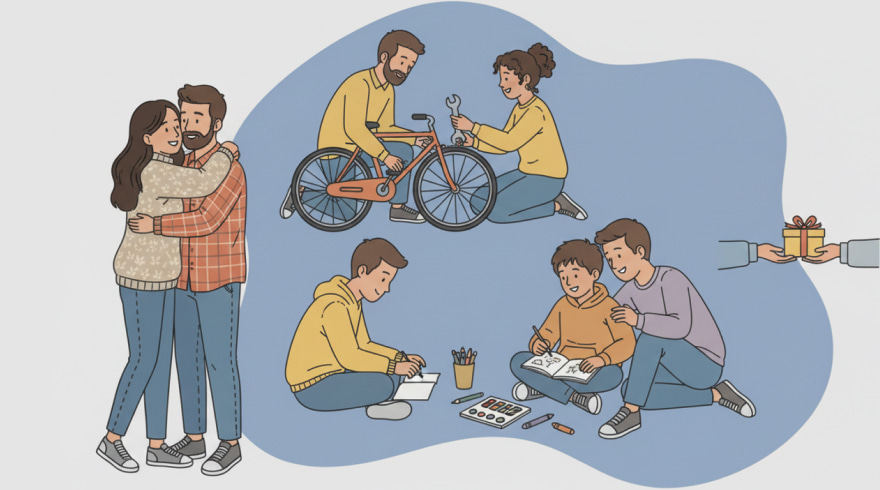
Underneath everyday interactions lie two big developmental drivers: a child’s attachment needs and their sensory preferences. Some kids crave closeness through touch; others feel connected through words, shared activity, thoughtful tokens, or consistent support. In practical terms, the 5 love languages for kids framework organizes these signals into patterns that help you match your response to your child’s most meaningful channel. Think of it as learning dialects within the universal language of care.
Because children are still growing, these preferences remain fluid and context‑dependent. A toddler might seek cuddles when tired but crave playful rough‑and‑tumble when energized, while an older child may switch from craving encouragement before a test to wanting a walk together afterward. Rather than hunting for a single, permanent category, focus on noticing which channel consistently unlocks cooperation and calm. Observe how your child initiates contact, what they request, and what they give to others, these clues often mirror what they most want to receive. Over months, you’ll see reliable themes, even as the day‑to‑day mix evolves with mood, environment, and developmental stage.
- Words of Affirmation: “I love how you tried that puzzle again.”
- Quality Time: “Let’s read together on the couch for ten minutes.”
- Acts of Service: “I set out your paints so you can start right away.”
- Gifts with Meaning: “Here’s a leaf we found on our walk to remember the park.”
- Physical Touch: “Bear hug before you open the door to class?”
The Five Patterns Explained, With Cues You Can Spot Every Day
Children broadcast their preferred channels in small, repeated moves. An affirmation‑oriented child fishes for compliments after showing work; a time‑focused child lingers near you, hoping you’ll join; an acts‑of‑service child asks for help setting up; a gift‑leaning child gives tiny treasures; a touch‑oriented child climbs into your lap without words. For quick orientation, the phrase five love languages for kids test typically refers to simple questionnaires or playful prompts that help reveal which interactions feel most connecting for your child in a given season. Use such tools as conversation starters, then validate the results with real‑world observation.
| Pattern | Everyday Cues | Do More Of | Avoid |
| Words of Affirmation | Shares work and watches your face for reaction | Specific, sincere praise about effort and strategies | Generic flattery or comparisons to siblings |
| Quality Time | Invites you into play and checks if you’re watching | Device‑free, one‑on‑one rituals and micro‑dates | Half‑attention while multitasking |
| Acts of Service | Asks for setup help or joint problem‑solving | Scaffold tasks and model steps, then fade support | Doing everything for them or dismissing requests |
| Gifts with Meaning | Offers tiny treasures or collections as tokens | Small symbolic items tied to shared memories | Over‑commercializing or bribery |
| Physical Touch | Seeks hugs, sits close, initiates playful roughhousing | Warm, consent‑based touch and sensory games | Tickling without consent or withdrawing affection |
Remember that temperament and neurodiversity influence how each pattern looks in daily life. A sensory‑sensitive child may prefer firm “deep pressure” hugs over light touch, while a shy child could seek proximity rather than words. Track what reliably brightens their mood and lengthens their patience, and build tiny rituals that you can sustain even on busy days. Small, consistent deposits in a child’s connection account keep the relationship solvent when inevitable stressors arrive.
Benefits for Behavior, Attachment, and Long‑Term Resilience
Responding in the channel your child values most produces outsized returns. You’ll see fewer tug‑of‑wars, smoother transitions, and quicker repair after conflict, because children co‑regulate more readily with caregivers who “speak” in effective ways. When used thoughtfully, a brief love languages for kids test can supplement your notes and hunches, illuminating patterns you might have missed during hectic weeks. Yet the biggest benefits come from consistent practice: matched support at wake‑ups, meals, study time, and bedtime hardwires security.
Attachment research shows that perceived responsiveness, not perfection, predicts secure relationships and healthier stress physiology. In the classroom, teachers who align praise, collaboration, and routines with students’ connection needs see gains in motivation and peer harmony. At home, the same alignment fuels persistence with chores and homework, because children feel partnered rather than policed. Over years, kids internalize a sturdy narrative: “When I reach, someone reaches back,” which translates into self‑advocacy, empathy for others’ needs, and resilience when life gets bumpy.
- Better self‑regulation and fewer explosive moments
- Higher willingness to try hard things and learn from mistakes
- Improved sibling dynamics through tailored bids for connection
- More joy in everyday routines, from toothbrushing to backpacks
How to Discover Your Child's Primary Pattern and Apply It at Home
Start by watching what your child does to connect with you and others, then mirror that style intentionally for two weeks. Instead of rushing to a kids love language test, pause to track patterns across settings like mornings, after school, and bedtime. Keep a simple log: what they asked for, how you responded, what happened next. Patterns emerge quickly when you observe with curiosity and reduce guesswork. Once you have a working hypothesis, design tiny, repeatable rituals that slot into existing routines so they actually happen when life is busy.
- Words kids: Name specific efforts during transitions (“You kept trying even when the zipper was sticky”).
- Time kids: Schedule ten‑minute “spotlight time” daily with no phones and shared choice.
- Service kids: Pre‑stage tricky tasks (lunch assembly line, project setup) and fade help gradually.
- Gifts kids: Use symbolic tokens, notes in lunchboxes, memory pebbles from hikes, homemade coupons.
- Touch kids: Offer warm hugs on consent, high‑fives at thresholds, and playful wrestling with clear rules.
Reassess every few months, or after big changes like a new sibling or school shift. Ask reflective questions: “When do you feel most close to me?” and “What should we do more often?” Children often hold the blueprint; our job is to listen, test small experiments, and keep what works. Above all, prioritize sustainability, short, daily moments beat rare grand gestures.
Common Mistakes, Cultural Nuance, and Maintaining Balance
Parents sometimes treat patterns like fixed personality labels, which can backfire when kids evolve or when contexts change. Another pitfall is overdoing one channel until it loses meaning, like flooding a praise‑oriented child with empty compliments. If an online love languages test kids result surprises you, consider it a hypothesis rather than a verdict, and compare it to your week of notes. Culture and neurotype also shape what feels respectful and regulating, so collaborate with your child to co‑create rituals that fit your family’s values and sensory needs.
Guardrails help. Keep boundaries steady even as you flex your delivery; connection doesn’t mean caving on limits. Avoid bribery disguised as gifts, sarcasm disguised as humor, or touch that ignores consent cues. Rotate channels so children experience multiple avenues of closeness while still centering their favorites. When conflicts flare, lead with repair: narrate your intention, validate feelings, and re‑offer connection in a channel that soothes quickly. That rhythm, rupture, repair, and return, teaches the lifelong skill of rebuilding trust after stress.
- Don’t force hugs; offer options like fist bumps or sitting nearby.
- Swap generic praise for descriptive feedback tied to effort.
- Keep “quality time” short, predictable, and device‑free.
- Turn “acts of service” into coaching, not rescuing.
FAQ: Parents’ Most Asked Questions About Children’s Love Styles
How many patterns can a child have at once?
Most children show a blend, with one or two channels rising to the top depending on context, energy, and stress. School days might elevate the need for time together, while illness might make soothing touch more potent. Rather than chasing a single category, map the situations when each channel helps most, then build simple rituals you can rotate across the week.
What if my child’s preference is different from mine?
Mismatches are common and totally workable. Start by offering connection in your child’s favored channel, then sprinkle in your own so they learn to receive care in diverse ways. Use scripts, timers, or checklists to make it easy to remember habits that don’t come naturally, and schedule brief, consistent touchpoints so you can sustain them.
Can these ideas help with siblings who constantly fight?
Yes, because many sibling conflicts stem from competition for attuned attention. When each child reliably receives connection that feels personal, rivalry cools. Add short one‑on‑one rituals, narrate fairness transparently, and coach siblings to recognize one another’s bids for closeness, which turns them into teammates rather than opponents.
How do teachers apply this in classrooms?
Educators can scan for the same cues and respond with scalable rituals: targeted feedback for affirmation‑oriented students, quick check‑ins for time‑seekers, structured help for service‑leaning learners, small symbolic tokens to mark milestones, and consent‑based high‑fives for those who enjoy touch. These practices boost engagement and classroom climate without adding much time.
What should I do when nothing seems to work?
When efforts stall, step back to basics: reduce overwhelm, repair after conflicts, and simplify demands. Keep a short log for a week, experiment with tiny adjustments, and ask your child what feels connecting right now. If challenges persist, consult a pediatrician, counselor, or occupational therapist to screen for sleep, sensory, or stress factors that can mask connection needs.