Find Out the Five Love Languages With an Online Test
Why This Relationship Framework Still Matters
When people feel misunderstood, distance creeps in even when affection is abundant. Couples, friends, and families often give generously, yet their gestures fail to land, not because they don’t care, but because they’re communicating in different ways. A simple framework has helped millions translate caring into something that actually resonates. It turns vague ideas about affection into practical, repeatable habits that feel clear, dependable, and deeply personal.
At the core, the framework known as five love languages offers a shared vocabulary for expressing and receiving care in ways that feel natural and nourishing. Rather than guessing, you learn to match your expression with what your partner or loved one values. This model emphasizes growth, not perfection, and invites you to observe patterns, experiment with new behaviors, and refine your approach over time. The payoff is less friction, more trust, and a measurable lift in day‑to‑day closeness.
- It reduces misinterpretation by clarifying needs and preferences.
- It encourages specific, observable actions that build goodwill.
- It’s adaptable across romance, friendship, parenting, and work.
- It supports long‑term maintenance of intimacy, not quick fixes.
As you read, you’ll find a blend of clear explanations, real‑world examples, and step‑by‑step tips. You’ll also discover how this approach scales from short daily micro‑moments to large, meaningful milestones. With a bit of curiosity and consistency, you can transform ordinary routines into rituals of connection.
Origins and Concept: Where the Idea Came From and How It Works
The model emerged from years of counseling observations: people tend to express care in recurring patterns, and they miss each other when those patterns don’t match. Through thousands of conversations, a structure took shape that distilled affection into five core modes. Each mode has its own “dial” that can be turned up or down, and people usually prefer one or two primary modes while still appreciating the rest.
History matters because story builds credibility, and many readers first encountered this framework through a widely read relationship classic tied to five love languages Gary Chapman and his decades of clinical experience. The enduring appeal comes from how actionable it is: you can observe which gestures energize your partner today and adjust your approach tomorrow. The idea isn’t to label people forever; it’s to learn each other’s preferences and keep updating them as life changes.
- It’s descriptive, not prescriptive, allowing flexible application.
- It centers on consistent behaviors over grand declarations.
- It encourages curiosity, listening, and feedback loops.
When partners embrace this model, they tend to argue less about “how much someone cares” and focus more on “how to make caring land.” That shift, from intent to impact, turns affection into a living practice rather than a fixed trait.
The Five Core Modes: What Each Language Looks and Feels Like
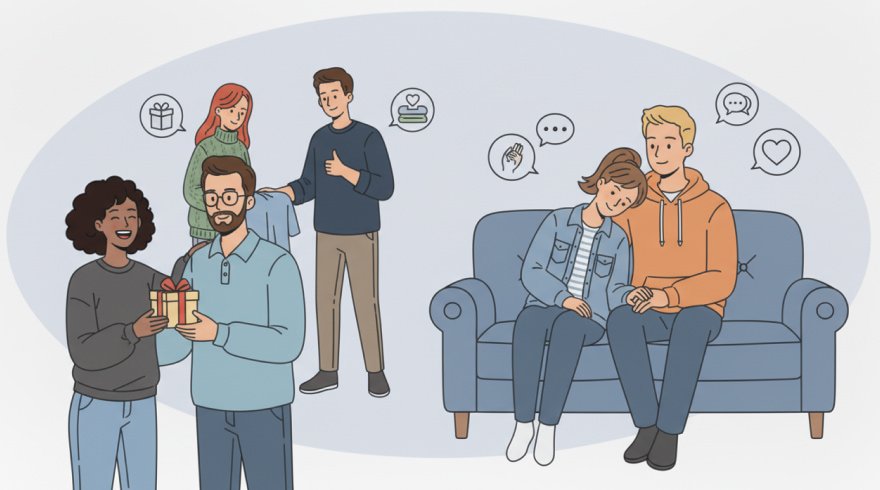
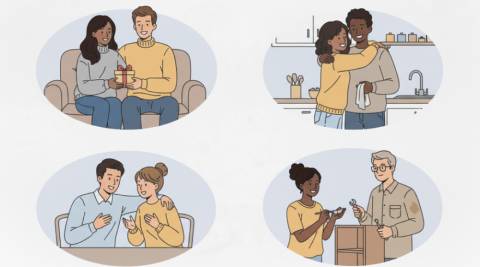
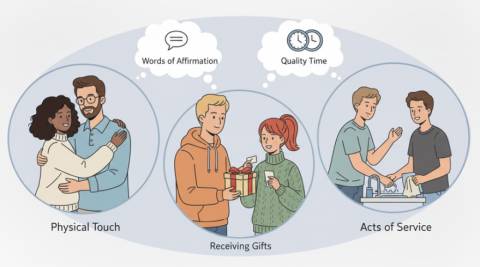
At a glance, the five modes are Words of Affirmation, Quality Time, Acts of Service, Physical Touch, and Receiving Gifts. Each has strengths, pitfalls, and easy ways to start. They’re not rigid boxes; they’re lenses you can try on to see what resonates. When you match your actions with what someone values, small gestures feel surprisingly significant.
For readers encountering this framework for the first time, a natural question arises around what are the five love languages as a practical, behavior‑based guide you can use immediately. Words of Affirmation focus on sincere verbal encouragement, gratitude, and recognition. Quality Time prioritizes undivided attention, shared activities, and mindful presence. Acts of Service highlight helpful tasks that reduce stress. Physical Touch emphasizes appropriate, consensual contact that conveys safety and warmth. Receiving Gifts is about thoughtful tokens that symbolize being seen and remembered.
- Words of Affirmation: specific praise, appreciation, and supportive notes.
- Quality Time: phone‑free conversations, shared hobbies, and weekly rituals.
- Acts of Service: errands, meal prep, or fixing something without being asked.
- Physical Touch: hugs, hand‑holding, and comforting touch attuned to consent.
- Receiving Gifts: meaningful mementos, surprise treats, or celebratory tokens.
Because preferences evolve, it helps to check in during life transitions, new jobs, parenthood, health changes, so your habits stay aligned with current needs. What felt most loving last year might differ today, and that’s normal.
Comparison and Quick Reference: Turning Insight Into Action
It’s helpful to contrast the modes side‑by‑side so you can translate theory into daily practice without guesswork. A concise visual can anchor team discussions, couple check‑ins, or family planning sessions. You can revisit it monthly to refresh ideas and pick one habit to focus on for the week.
Many readers find a reference grid useful, especially when they want a single glance resource that functions like a five love languages chart for planning thoughtful gestures across different settings. Use the following table as a starting point and customize examples to match personalities, schedules, and cultural context.
| Language | Signal of Care | Daily Micro‑Habit | Weekly Ritual | Common Pitfall |
| Words of Affirmation | Feeling seen through positive, specific words | Send a short note naming one strength | Share highlights and appreciations every Sunday | Generic praise that feels hollow |
| Quality Time | Presence without distractions | 10 minutes of phone‑free conversation | A planned date or shared hobby hour | Physically present but mentally elsewhere |
| Acts of Service | Stress reduced by helpful actions | Handle one chore before being asked | Batch errands or prep meals together | Keeping score or expecting praise |
| Physical Touch | Warmth and safety through consent‑based touch | Hug hello and goodbye | Massage or cuddle time with check‑ins | Assuming touch is always wanted |
| Receiving Gifts | Feeling remembered through tokens | Leave a small surprise or note | Plan a thoughtful celebration | Equating price with meaning |
- Choose one micro‑habit this week; consistency beats intensity.
- Ask for feedback to keep efforts aligned and meaningful.
- Rotate rituals so care doesn’t become stale or predictable.
Treat this quick reference as a living document, updating it as seasons change and preferences evolve. The goal isn’t perfection; it’s reliable progress that compounds over time.
Benefits and Measurable Payoffs: Why Adopting This Model Works
People often report a fast reduction in friction once they start aligning gestures with preferences. Communication improves as assumptions fade, and gratitude becomes more specific. Partners begin to anticipate needs, and even small acts feel amplified because they hit the target. Over time, trust deepens as consistent habits replace sporadic grand gestures.
If you want a concise overview of key takeaways, consider crafting your own notes that function like a five love languages summary capturing habits that worked, words that resonated, and moments that mattered. This reflection makes it easier to keep doing what works while refining what doesn’t. Teams and families can borrow this idea by having a short monthly debrief that celebrates wins and identifies one improvement for the next month.
- Less miscommunication and fewer hurt feelings from missed signals.
- Clearer requests that sound kind rather than critical.
- Greater emotional safety, which supports vulnerability and repair.
- More energy for play and creativity as tension decreases.
The compounding effect is real: small, loving behaviors accrue interest when invested consistently. Even during conflict, knowing each other’s preferred modes makes repair faster and more authentic.
How to Identify Your Primary Modes: Reflection, Experiments, and Tools
Start by tracking what reliably makes you feel connected: compliments, focused attention, helpful tasks, comforting touch, or thoughtful tokens. Notice how your preferences shift when you’re stressed versus relaxed, and compare what you like to receive with how you instinctively give. Ask trusted people what actions from you feel most caring, and listen closely to the themes you hear.
Some people prefer guided discovery, which is where a structured assessment like a five love languages test can complement personal reflection. Treat results as a conversation starter rather than a rigid label, then run small experiments for two weeks and measure how satisfied you feel. Keep a brief journal noting which gestures felt most restorative, and invite a partner or friend to do the same for mutual clarity.
Budget‑friendly seekers often appreciate that many reputable resources mirror the format of a five love languages test free option, which makes it easier to try the framework before committing to a more comprehensive program. Regardless of method, the key is to connect insights to consistent action, otherwise the knowledge stays abstract.
- Journal three times a week about which gestures felt best.
- Invite feedback and refine your weekly rituals.
- Choose one “stretch” behavior to practice for 14 days.
Adapting for Different Ages: Teens, Kids, and Family Life
Adolescents are building identity and autonomy, so clarity about connection can prevent unnecessary distancing. Short, respectful check‑ins, collaborative schedules, and opt‑in rituals work better than lectures. Coaches, mentors, and caregivers can use quick pulse checks to understand which gestures help a teen feel genuinely supported during stressful seasons like exams or sports tryouts.
Because adolescence has unique pressures, parents and educators often turn to resources akin to a five love languages test for teens to spark conversations about support without making it feel like a pop quiz. The goal is to co‑create small, consistent habits, walks after school, encouraging notes before big days, or quiet companionship during tough weeks. Scale the gestures to the teen’s bandwidth and ask for periodic feedback to keep things collaborative.
Younger children need concrete, playful expressions tailored to attention spans and routines. Visual schedules, gamified chores, and simple tokens can make care feel tangible. Families can rotate weekly focus areas so each child gets spotlight moments that match their temperament and needs.
Caregivers often find it helpful to use age‑appropriate prompts similar to a five love languages for kids test so preferences emerge naturally through stories, choices, and games. Reliable, predictable rituals, bedtime reading, weekend pancakes, or art time, can be powerful signals of love that help kids feel safe and seen.
Digital Tools and Remote Relationships: Making It Work Online
Modern life scatters people across cities and time zones, but technology can bridge gaps with intention. Video calls with phones silenced simulate in‑person presence, shared playlists create continuity, and scheduled reminders keep rituals on track. Even in remote contexts, you can align expressions with preferences by being deliberate about timing, frequency, and tone.
For those who like metrics and quizzes, a guided assessment available as a five love languages online test can offer structure, especially for long‑distance couples refining their routines. Follow up with tangible commitments, calendar invites for quality time, recurring task swaps for service, or mailed notes and small tokens, so digital insight becomes embodied action.
- Create “office hours” for connection that neither person misses.
- Use shared notes to log appreciations and weekly wins.
- Batch‑schedule celebrations so good intentions become real plans.
Application Tips, Common Mistakes, and Long‑Term Maintenance
Implementation works best when you make it small, specific, and scheduled. Instead of promising sweeping change, pick one or two behaviors that fit your bandwidth and set reminders. Revisit preferences quarterly, because jobs, health, and family dynamics can shift what feels most nourishing. Treat requests for change as chances to learn, not accusations.
When you start, curate a one‑page cheat sheet that includes your partner’s top modes, favorite phrases, and the most meaningful examples, almost like a personal five love languages list to keep you focused under stress. Common mistakes include assuming your preference matches your partner’s, over‑relying on one grand gesture, and forgetting to ask for feedback. The antidote is curiosity, calibration, and a willingness to course‑correct.
- Use micro‑habits that are easy to repeat even on busy days.
- Repair quickly after misses with a sincere apology and a do‑over plan.
- Celebrate progress to reinforce the behaviors you want to keep.
The relationships that flourish are the ones that turn caring into a rhythm. With practice, love becomes less about guessing and more about reliably meeting each other where it counts.
FAQ: Clear Answers to Common Questions
How many primary modes can someone have?
Most people have one or two preferences that lead the pack, with the others still mattering in smaller ways. Preferences can also shift with context; stress might increase the desire for service, while celebration might elevate the appeal of gifts. Reassess regularly as life evolves.
Do preferences change over time?
Yes, they often evolve alongside milestones like moving, career changes, parenthood, or health events. A quarterly check‑in helps you keep efforts aligned with current needs. Treat it as an ongoing dialogue rather than a one‑and‑done decision.
Is there a right or wrong way to use this framework?
The only “wrong” way is using it to label or limit someone. The point is to learn what lands and do more of that while staying open to feedback. Focus on consistency and kindness rather than perfection.
Where can I find a structured assessment to get started?
Many people begin with a guided questionnaire that mirrors the format of a five love languages by Gary Chapman test and then refine results through everyday experiments. Whatever tool you choose, turn insight into two or three concrete habits you can sustain.
How do we resolve conflicts if our preferences clash?
Use a “both/and” approach: alternate rituals, trade tasks, and set times to meet in the middle. Clarify what feels non‑negotiable and where you’re flexible. When needs collide, negotiate small, testable experiments and review after a week.