Find Out the Five Love Languages With an Online Test
What Love Languages Are and Why They Matter for Everyday Connection
Most relationships thrive when partners express care in ways that feel meaningful to each other. The concept of love languages offers a practical, memorable framework for decoding those preferences, helping people communicate affection more clearly. Instead of guessing what gestures resonate, you can map patterns and build habits that match your partner’s style. This isn’t about labeling people; it’s about noticing signals and adjusting communication so affection actually lands. When you use this approach with intention, small shifts create outsized gains in warmth, trust, and emotional safety.
Behind the idea sits a simple insight: people value affirmation, time, helpfulness, touch, and thoughtful tokens in different proportions. Rather than assuming your own style is universal, you can examine how your partner best receives care and how you most naturally express it. For a quick starting point, many readers begin by trying a love language test free resource that orients them before deeper exploration. Once you see your top preferences, you can translate the findings into daily micro-actions that build connection.
How the Assessment Works, Plus a Practical Map of the Five Styles
Good questionnaires are short, scenario-based, and easy to complete on mobile. They present everyday moments, ask which response feels more meaningful, then tally a profile across the five styles. Reliable quizzes avoid leading language and include balanced options so results aren’t skewed. You’ll typically receive a ranked list and brief guidance on applying insights at home, on dates, and during conflict repair. Think of the outcome as a conversation starter rather than a fixed identity; context and life stages can nudge preferences over time.
If you’re new to this topic and want a quick orientation, many people start with a free online love language test because it delivers an immediate snapshot you can discuss with a partner afterwards. To make the concepts concrete, use the reference below as a cheat sheet during conversations and planning.
| Love language | Everyday examples | Practical tips |
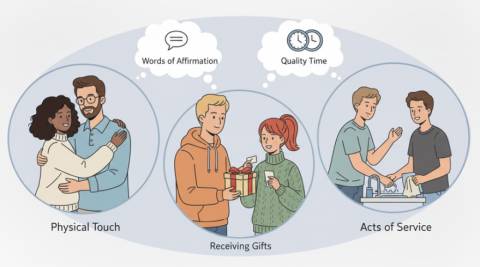
| Words of Affirmation | Specific praise, appreciative notes, supportive texts before big moments | Be concrete, reference efforts, and use “because” to make compliments land |
| Quality Time | Uninterrupted talks, device-free meals, shared hobbies with full attention | Schedule focused time, protect it on the calendar, and plan mini-rituals |
| Acts of Service | Handling chores, prepping coffee, running errands during stressful weeks | Ask what helps most, confirm priorities, and follow through consistently |
| Physical Touch | Hugs, holding hands, cozy couch time, reassuring shoulder squeezes | Agree on boundaries, read nonverbal cues, and offer warm contact regularly |
| Receiving Gifts | Small tokens with meaning, mementos from trips, surprise favorite snacks | Track hints, tie items to memories, and focus on thoughtfulness over cost |
Core Benefits of Using a Structured Love-Language Assessment
Clarity reduces friction. When both people understand what gestures feel nourishing, they stop wasting effort on signals that miss the mark. This reduces resentment and makes everyday life more cooperative. You also gain language for requests, which lowers defensiveness and increases goodwill. In conflict, knowing how your partner receives care can shorten recovery time. Even solo, the framework helps you advocate for needs with friends and family while avoiding vague or indirect hints.
From an efficiency perspective, it’s helpful to validate assumptions before investing lots of energy in a new habit. Many readers calibrate their plans after a free love language test highlights a different ranking than they expected. That shift might mean prioritizing time over tokens, or service over praise, and it can change how you plan date nights, tackle chores, and celebrate milestones. Use the data as a map for experiments, then iterate together.
Deepening Connection for Partners
Couples often discover they’ve been “speaking” past each other despite good intentions. One person may offer help while the other craves attention, or give encouraging words when a hug would be better. Establishing rituals tailored to both preferences creates momentum that compounds over months. Weekly check-ins, tiny surprises, and predictable micro-gestures build a sense of being seen and prioritized. When routine stress rises, these habits act like a buffer that protects warmth.
Many pairs kick off the conversation with a free love language test couples option to get baseline insights they can compare thoughtfully. If you prefer a guided approach, some platforms also provide conversation prompts that help translate insights into action. After your first run, revisit the tool during life transitions to catch shifting needs. It’s normal for rankings to move when work schedules change or after welcoming a child.
For partners who want to check alignment and plan next steps, it’s common to try a free love language test for couples and then create a small “care menu” together. Each person lists three gestures that reliably feel good, ranked by impact, which makes day-to-day decisions easier. Keep the list in a shared note and update it each season to keep ideas fresh.
Interpreting Scores and Turning Insights Into Action
A useful result will give you a ranked order and sometimes a score gap between your top two styles. Large gaps suggest a strong preference, while tight spacing implies flexibility. Don’t treat a low ranking as irrelevant; it just means those gestures carry less weight and should be secondary rather than absent. The most effective plans include a primary focus with occasional variety to avoid monotony.
To move from reading to doing, pair each ranked style with two or three specific behaviors you can schedule this week, then reflect on what landed well. Plenty of tools now present a free love language test and results summary that includes small, realistic suggestions you can implement immediately. Track wins in a shared message thread or notebook so progress feels visible and motivating over time.
A Quick Tour of the Five Styles and How They Often Show Up
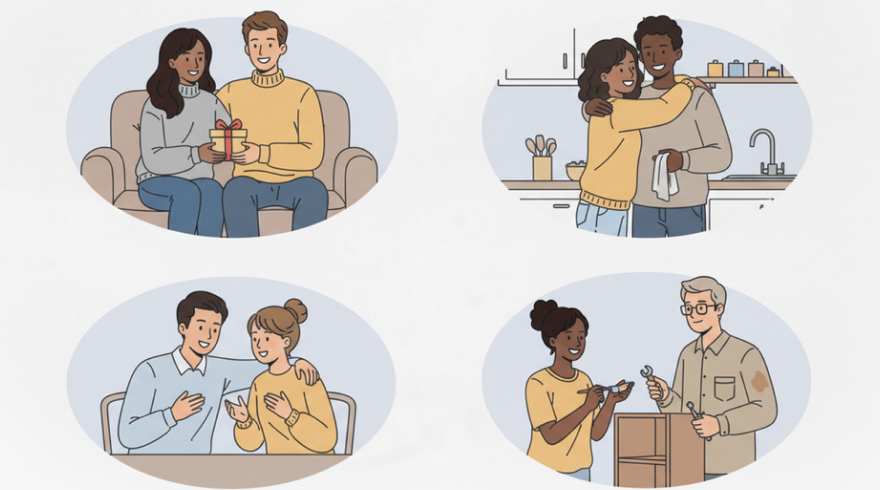
Words of Affirmation shine when recognition is precise and timely, especially after effort or vulnerability. Quality Time is about undivided attention more than duration, so protect short blocks that feel fully present. Acts of Service ease mental load when life is busy, and even small tasks can feel huge. Physical Touch works best when it’s attuned and consensual, adjusting to context and comfort. Receiving Gifts resonates when the item carries a story or signal of attentiveness.
If you’d like a simple on-ramp to explore these distinctions, many readers enjoy trying a five love languages free test that presents everyday scenarios for reflection and dialogue. For those who want a second data point to confirm patterns, you can later sample a five love languages test free tool from a different publisher to compare trends and consistency across time.
Choosing a Trustworthy Platform and Avoiding Common Pitfalls
When evaluating quiz providers, look for transparent scoring, neutral wording, and guidance that emphasizes conversation over labels. Read sample questions to check for balance, and consider whether the advice section is respectful and actionable. Credible tools acknowledge cultural nuance, consent, and the importance of adapting to changing circumstances. Beware any source that claims a score is destiny or offers rigid prescriptions without room for personal agency.
For comparison shopping, many people begin with a free five love languages test from a reputable site that explains methods and offers implementation tips afterward. Pay attention to whether the follow-up resources help you build habits, not just read a summary. A good platform will encourage feedback loops, reminders, and realistic micro-steps tailored to your context.
A 7-Day Quick-Start Plan You Can Customize
Implementation beats insight when it comes to nurturing connection. Start small, pick consistent windows of attention, and design visible rituals. Day one can be a short check-in to share preferences, followed by tiny experiments like a note, a walk, or a chore swap. Keep the bar low so success is repeatable during busy weeks. On day four, review what felt energizing and decide what to repeat twice more.
Many readers anchor the week by completing a love languages test free and then scheduling one habit aligned to the top style for each person. Use timers and shared calendars to make follow-through easier, and add reminders that cue you at natural transition points. Finish the week with a reflection conversation, capture highlights, and lock in two rituals for the next month.
Accuracy Tips, Blind Spots, and Ways to Refine Your Results
Mindset matters. Answer based on what feels genuinely nourishing rather than what you think you “should” prefer. Take the quiz when you’re calm, not right after an argument or during a crisis. If your scores look evenly spread, that’s not a problem; it simply means multiple gestures feel meaningful, which can make planning flexible and creative. Revisit the assessment after major life changes to update your map.
If you want two snapshots to compare, one option is to take a free 5 love languages test today and repeat a similar questionnaire next month to see what stays stable. For people who enjoy structured iteration, another strategy is to try a free 5 love language test from a different provider, then run a two-week experiment focused on the top style, and review outcomes together with curiosity.
FAQ: Common Questions About Love Language Test
How long does a typical assessment take?
Most versions take 5–10 minutes, depending on the number of items and whether you pause to reflect. Shorter formats offer quick direction, while longer formats provide nuance and richer examples. If time is tight, do the brief version now and schedule a deeper run later.
Do results change over time or stay fixed?
Preferences can shift with context, stress, and life stage. It’s smart to retake the quiz after big transitions like moving, switching jobs, or becoming parents. Use changes as information for fresh experiments rather than proof of inconsistency.
What if partners have very different top styles?
That’s common and workable. Build a care menu for each person, alternate focus days, and use reminders to prevent neglecting one style. Mutual goodwill grows when both people feel seen, even if expressions differ.
Can singles benefit from this framework?
Absolutely. Knowing your preferences helps you communicate needs to friends and family, and it guides self-care. It also gives dating conversations a constructive, nonjudgmental vocabulary.
How should we act on the results without feeling overwhelmed?
Pick one small habit per person and repeat it consistently, then add variety later. Celebrate progress weekly and adjust based on feedback. Consistency beats complexity, especially at the beginning.