Find Out the Five Love Languages With an Online Test
Understanding Love Languages and the Couple Experience
Romantic connection thrives when partners interpret affection in ways that feel genuine, secure, and energizing. The idea behind love languages is simple yet powerful: people tend to give and receive affection through distinct channels such as words, time, gifts, service, and touch. When two people decode each other’s signals with accuracy, everyday interactions become warmer, repair is faster after conflict, and intimacy deepens. This guide explores the origins, the science-informed practices, and the practical steps that help pairs translate intention into impact.
Couples often feel puzzled when generous behaviors go unnoticed, because they might not align with a partner’s preferred style of receiving care. In many relationship roadmaps, the term love language test couples appears as a tool for clarifying preferences and building conversational bridges between different needs, temperaments, and cultural patterns. With clarity comes better boundaries, more predictable rituals of connection, and a shared vocabulary that tempers misunderstandings.
Plenty of readers ask for approachable ways to get started without cost or complexity. For accessibility, resources labeled free love language test couples are frequently recommended in forums and journals, and they can serve as a quick doorway into structured discussions about affection, appreciation, and daily habits. Beyond first impressions, the deeper value appears when partners convert insights into micro-practices and sustainable rituals that honor both people.
- Translate affection into behaviors your partner can easily recognize.
- Create rituals that reinforce emotional safety, curiosity, and fun.
- Use shared language to navigate stress, conflict, and transition.
- Review preferences regularly as life stages and contexts evolve.
The Five Core Languages and How They Show Up Day to Day
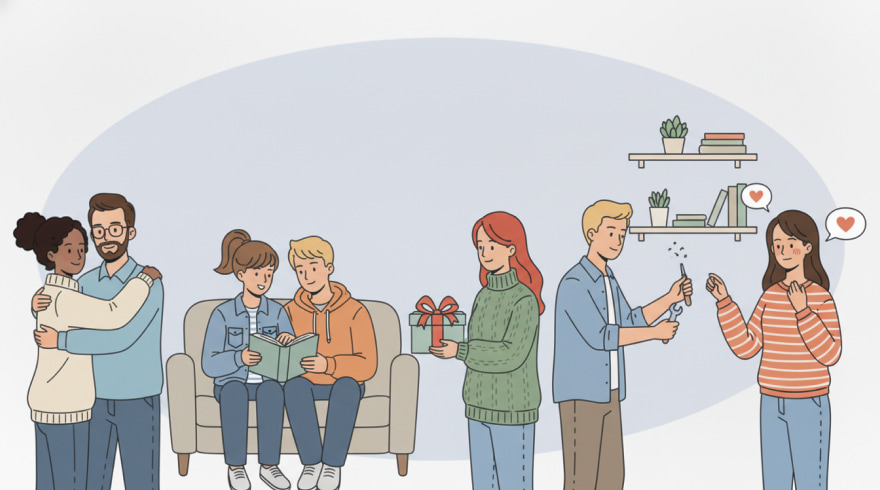
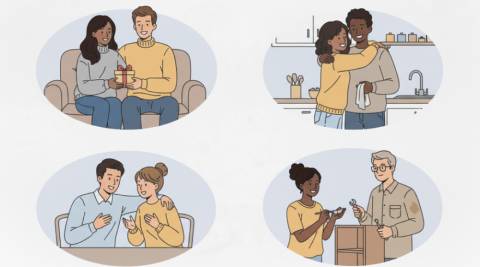
Although everyone contains a blend of preferences, most people have one or two primary channels that feel especially meaningful. Words of affirmation signal respect and admiration; quality time offers focused presence and undivided attention; gifts symbolize thoughtfulness and memory; acts of service reduce burdens with tangible help; physical touch conveys warmth, grounding, and erotic connection. Noticing how these play out in micro-moments helps partners respond with precision instead of guesswork.
Many couples begin their exploration with short questionnaires to spark dialogue, and the phrase free love language test for couples often surfaces when friends share links or therapists assign warm-up exercises that introduce the framework and encourage reflection. Regardless of entry point, the goal is to translate scores into gentle habits rather than rigid rules, and to invite curiosity rather than certainty.
When considering options, some people search for tools described as love language test couples free, and that phrasing typically points toward lightweight assessments that are easy to complete on a lunch break and then debrief over coffee. What matters most is not the brand of inventory, but how partners listen, paraphrase, and practice concrete behaviors that match each other’s nervous system and context.
- Words of Affirmation: specific praise, gratitude, and encouragement.
- Quality Time: distraction-free attention and shared activities.
- Receiving Gifts: meaningful tokens that mark moments and care.
- Acts of Service: practical help that eases cognitive or physical load.
- Physical Touch: affectionate, consensual contact that soothes and bonds.
Why Assessment Helps: Benefits for Communication, Intimacy, and Repair
Assessment creates a shared map, which reduces guesswork and defensive assumptions. When partners can name what lands, they make fewer repairs because they prevent more misunderstandings. This is especially valuable during periods of stress, new jobs, parenting shifts, relocations, when tender attention slips through the cracks. A clear map also helps partners advocate for needs without blame, reframing requests as invitations for connection.
In research summaries and counseling sessions, practitioners often reference resources similar to 5 love languages test couples, because structured prompts draw out concrete examples and foster better listening during debriefs that follow. Rather than focusing on who is “right,” couples learn to describe impact, ask for adjustments, and celebrate progress with gratitude rituals that lower reactivity.
Another frequent phrase in relationship guides is 5 love language test couples, which highlights a compact doorway into discussing priorities with compassion and humor, and it becomes a springboard for habit design that converts insights into consistent gestures. The biggest benefit is cumulative: small, well-aimed behaviors compound over weeks into trust, delight, and resilience.
- Align daily gestures with what your partner values most.
- Reduce escalation by acknowledging differences without judgment.
- Build momentum through tiny, trackable habits that feel natural.
- Mark wins together to reinforce the behaviors you both want more of.
How to Take the Assessment, Interpret Results, and Apply Them
Good process matters as much as good content. Plan a calm moment, silence notifications, and agree to approach the exercise as teammates, not critics. Read each prompt slowly and imagine real-life examples before answering. Afterward, swap highlights and paraphrase what you heard to confirm accuracy. Then, design two or three small experiments per person, easy actions you can execute this week, and schedule a check-in to adjust.
| Love Language | What to Notice | Micro-Habit to Try |
| Words of Affirmation | Responds strongly to specific, sincere praise | Offer one precise compliment tied to effort each day |
| Quality Time | Feels closest during focused, undistracted moments | Set a 15-minute, phone-free connection ritual nightly |
| Receiving Gifts | Lights up at thoughtful tokens or surprises | Keep a note of “tiny treats” and deliver one weekly |
| Acts of Service | Relaxes when tasks and burdens are shared | Proactively handle one recurring chore without prompting |
| Physical Touch | Seeks affectionate, consensual contact | Begin and end the day with a lingering hug or cuddle |
Some readers use a structured quiz referred to as 5 love language test for couples, and they turn results into a personal “playbook” that lists phrases and actions to reference when energy is low or time is tight. That playbook functions like a first-aid kit for connection, keeping the most effective gestures within reach on busy days and during tense moments.
Others prefer a lighter approach and look for a couples love language test that’s brief enough to complete during a coffee date, then jot down two actionable next steps on a shared note to make experimentation straightforward and fun. The key is keeping stakes low, curiosity high, and feedback loops short so momentum builds naturally.
If you want a creative twist, consider journaling prompts or conversation cards that echo the insights behind language love test couples, because story-driven reflections can reveal nuances that a quick multiple-choice quiz might miss, especially around culture, neurodiversity, or long-distance dynamics that shape how care is experienced.
- Choose one behavior you can do today in under five minutes.
- Schedule a weekly review to keep insights fresh and practical.
- Capture phrases that resonate so your future self can reuse them.
Common Pitfalls, Culture Considerations, and Long-Term Practice
Frameworks are helpful, yet they are still simplifications. Treat results as a starting point rather than a verdict. People evolve across seasons of life, and preferences can shift with stress, health, or context. Avoid weaponizing labels, “this is just how I am”, and instead co-create rituals that feel consensual and sustainable. It also helps to account for cultural norms, attachment patterns, and neurobiological differences that affect how each person reads and offers closeness.
When browsing resources, you may encounter the phrasing 5 love languages couples test, and it can be tempting to treat scores as destiny instead of a snapshot that invites experimentation and nuance. Resist binary thinking by combining the framework with emotional check-ins, values conversations, and curiosity about how different situations call for different types of care.
Many pairs also reference a concise option labeled 5 love language couples test, which can be paired with calendar reminders and micro-promises so new behaviors stick after the initial inspiration fades. Think of this as training: repetition with feedback strengthens the habits that make your bond feel vibrant and protective over time.
- Revisit your preferences quarterly, especially after major life changes.
- Balance primary languages with a sprinkle of secondary ones.
- Pair affection with nervous-system regulation for deeper calm.
- Celebrate tiny wins to anchor identity as responsive partners.
FAQ: Practical Answers for Curious Couples
How accurate are love language assessments?
They’re reasonably accurate as conversation starters, offering patterns rather than absolute truths. Treat outcomes as working hypotheses and verify with real-life experiments, ongoing check-ins, and feedback about which gestures consistently land well.
Can love languages change over time?
Yes, preferences can shift with context, stressors, health, and life stages. A new baby, a demanding project, or healing after illness can elevate the importance of service or time; periodic reviews keep your rituals aligned with current needs.
What if our primary preferences clash?
Clashing preferences are common, and they’re manageable. Use trade-offs, alternating spotlights, and micro-habits that mix both styles. Focus on frequency and consistency rather than intensity, and keep repairs gentle when you miss the mark.
How do we apply insights in a long-distance relationship?
Convert each language into distance-friendly behaviors: voice notes or letters for words, scheduled video dates for time, mailed tokens for gifts, logistical help for service, and creative sensory substitutes like synchronized breathing for touch-adjacent connection.
Do we need a therapist to make this work?
Not necessarily, though professional guidance can accelerate progress and smooth rough spots. Many couples succeed with self-guided rituals, clear requests, and regular reviews; therapy adds accountability, deeper patterns work, and tailored techniques when needed.