The Language of Love: Why We Misread Signals in Relationships
Healthy connection hinges on how partners express care and how receivers interpret those cues. In everyday conversation, people often describe this interpretive framework as the language of love, and the metaphor sticks because it highlights translation. When we misread signals, even generous efforts can seem invisible, leading to tension or distance. When we “translate” correctly, small gestures suddenly land with disproportionate positive impact, and trust grows.
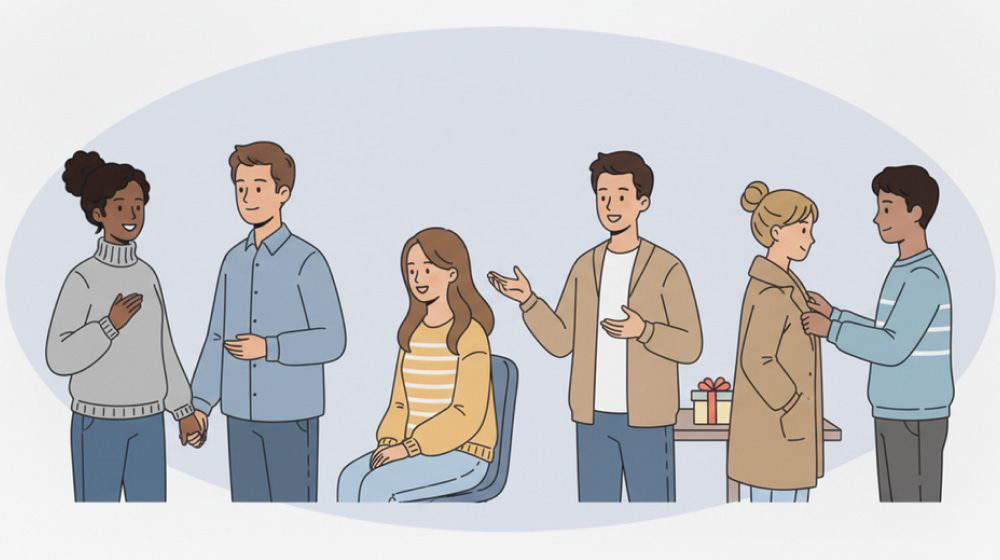
Researchers and therapists note that consistent, observable behaviors map to distinct patterns of giving and receiving care. Newcomers usually ask what are the five love languages, and the curiosity opens the door to practical learning. The focus is not on rigid personality typing, but on tuning everyday conduct so that care is unmistakable to the person you cherish. That shifts the conversation from intention to impact, which is where change actually happens. In everyday use, many people simply refer to the framework as love languages.

Practical Ways to Show and Receive Care
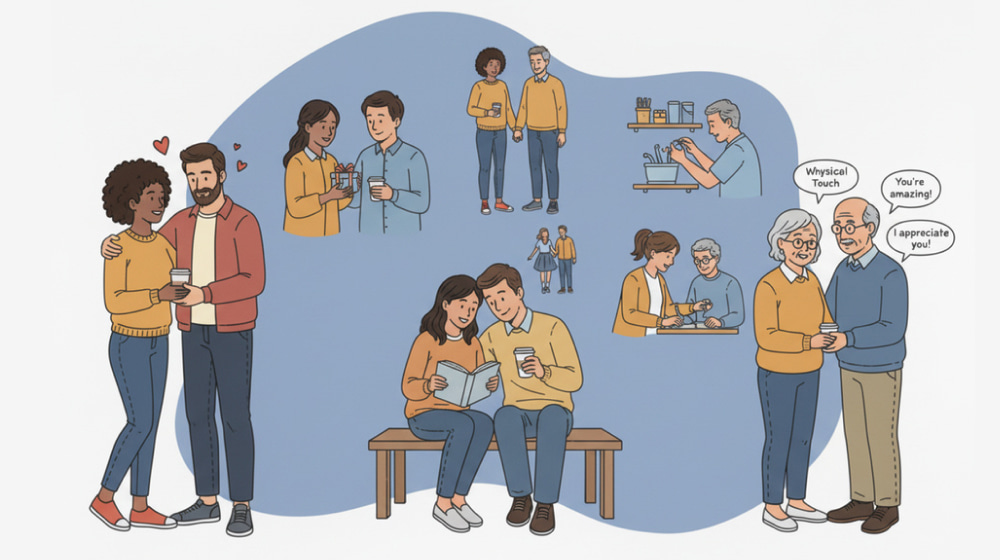
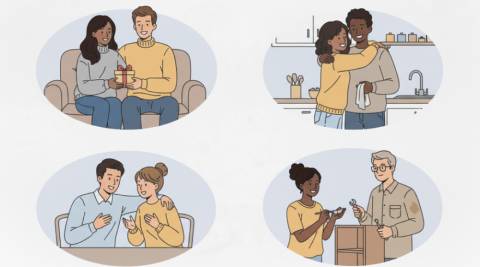
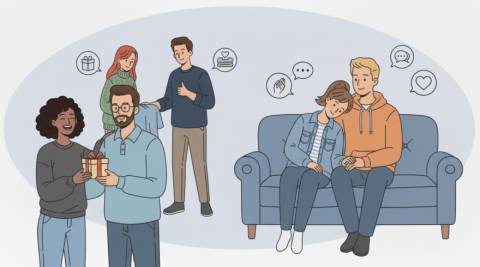
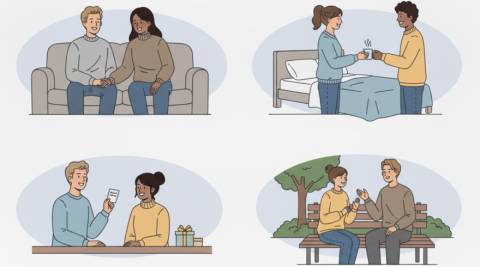
Each category describes a repeatable channel through which care flows vividly. Popular culture often references the label five love languages, yet the utility comes from noticing which signals register strongest for you and the people around you. These categories are descriptive, not prescriptive, and they can blend in nuanced ways across contexts.
| Category | Core meaning | Everyday signals | Try this today |
|---|---|---|---|
| Words | Feeling seen through affirming language and sincere feedback | Specific praise, encouragement, appreciative notes, warm texts | Send a short message naming one concrete thing you value |
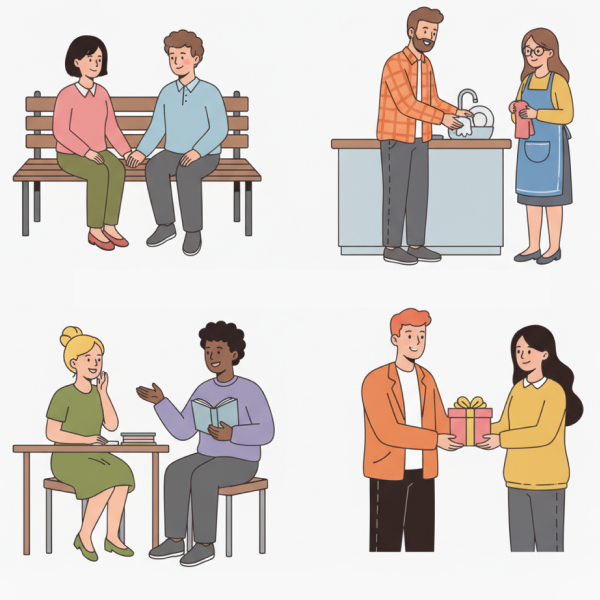
| Time | Feeling prioritized through undivided attention and presence | Device-free dinners, slow walks, shared hobbies, lingering chats | Schedule a 20‑minute check‑in with eye contact and curiosity |
| Service | Feeling supported when tasks and burdens are lightened | Doing dishes, handling errands, prepping meals, fixing small issues | Quietly complete one nagging chore before being asked |
| Touch | Feeling soothed or energized through safe, welcomed contact | Hugs, handholding, cuddling, playful taps, relaxing back rubs | Offer a consent‑based hug or a gentle shoulder squeeze |
| Gifts | Feeling remembered through thoughtful, symbolic tokens | Favorite snack, a bookmarked article, a flower, a small keepsake | Leave a tiny surprise that reflects a recent conversation |
It helps to treat these categories as lenses rather than boxes. Many readers resonate with the shorthand 5 love languages, but the point is to discover which channels feel authentic for you and most nourishing for your partner. Life stages, stress levels, culture, and neurodiversity can shift your sensitivity to different signals over time.
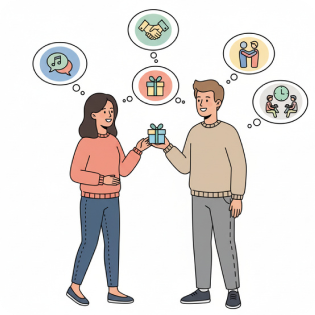
When partners tailor expressions of care, everyday life gets easier and emotions regulate more quickly. Practitioners sometimes summarize patterns as love language types, and that framing can reduce guesswork when designing weekly rituals. The result is a targeted effort that produces disproportionate payoff, especially during conflict repair. For planning purposes, you can treat categories like a menu of options or a checklist of experiments and assess the outcomes. Writers occasionally talk about types of love languages, and that phrasing simply reminds us that different routes can reach the same emotional destination.
How to Identify Your Primary Love Language
Discovery starts with curiosity, not diagnosis. Begin by journaling a few recent moments that felt unusually warm or unusually disappointing, then circle the concrete behaviors involved. Many readers experiment with a structured assessment called a love language test, which can jump‑start self‑reflection and reveal blind spots. Combine results with honest conversation so you translate insights into daily habits. As patterns emerge, identify your core love language and trade concrete examples.

Testing is a snapshot, so revisit your patterns as seasons change, especially after major life events. Short quizzes can spark lively conversations if you treat them as prompts rather than verdicts. For couples who enjoy check‑ins, some people like using a playful 5 love languages test as part of a monthly relationship review. The goal is informed iteration rather than fixed identity. Access should be simple, and you can approach discovery with low stakes. Reflection, observation, and feedback loops do most of the heavy lifting when you pair them with kind curiosity. Budget‑friendly tools abound online, and many readers appreciate trying a free love language test before investing time in deeper workshops. Keep notes and update your rituals as you learn what actually works.
Small Gestures, Big Impact
Skillful application turns insight into dependable connection. Couples who weave small, channel‑specific gestures into daily rhythms report steadier affection and smoother conflict navigation. Relationship educators often suggest a brief check‑in after using a love language test couples so partners can compare examples and set simple routines. The more concrete the action, the more repeatable the habit becomes.
Caring for Yourself While Caring for Others
Families benefit from this clarity because kids read signals differently at various ages and developmental stages. Caregivers can observe which cues spark delight or calm during routines like school drop‑offs or bedtime. Parents who teach with examples notice that flexibility is essential and that preferences evolve as children grow. Many households build gentle rituals after learning from resources about love languages kids, and that reduces friction during transitions.

Self‑awareness matters too, because generosity without replenishment is hard to sustain. During weekly planning, include a tiny practice that feeds your own capacity so you can give without resentment. A simple reflection prompt such as “one action that nourished my love language today was…” keeps the focus on what actually works. Over time, those micro‑replenishments make care feel abundant rather than transactional.
Affinity frameworks have circulated in counseling circles for decades, gaining traction because they are easy to remember and easy to apply. Practitioners debate nuances, including cultural variability and the risk of oversimplification, but most agree that concrete behaviors are easier to improve than vague intentions. Many readers first encountered the idea through books and workshops associated with Gary Chapman love languages, and the public conversation has since expanded with research and critique. The contemporary view blends the simplicity of categories with the flexibility required for diverse relationships.
Frequently Asked Questions
Thoughtful practice turns insight into everyday connection that feels natural, generous, and sustaining.
The Latest News
Please Note
This website (thelovelanguagestest.com) is not an official representative, creator or developer of this application, or product. All the copyrighted materials belong to their respective owners. All the content on this website is used for educational and informative purposes only.